

How TrakarIA Rental works
One rental. One vehicle context from departure to return.
Plan the rental, document the handover, compare the return and share the final record without rebuilding the vehicle at every stage.
01 · Plan
Know what is expected to leave, what is coming back and where a conflict needs attention.
Keep the rental, the vehicle and its operating window in one planning context before the handover begins.
- The commitment keeps its vehicle contextRental RENT-2048 stays tied to the vehicle, customer and agreed dates.
- Conflicts appear before another promise is madeExisting work and the proposed rental can be reviewed together before the schedule changes.
- The team stays in control of the decisionThe supported resolution is chosen explicitly; the planning view does not pretend to optimise the fleet automatically.
- 01Rental added
- 02Context checked
- 03Conflict found
- 04Decision confirmed
AvailableRENT-2048 · Alex MartinMaintenance hold
02 · Depart
Turn the booking into a structured departure record.
Open the correct rental, start the check-out and give every agent the same route through vehicle condition, handover facts and acknowledgement.
- Start from the scheduled rentalThe agent opens the right vehicle and customer context instead of starting a disconnected form.
- Keep the handover resumableA draft can preserve the work already captured when the agent needs to pause and continue.
- Make the remaining work visibleCondition, context, handover and summary stay distinct throughout the check-out.
- 01Scheduled
- 02Vehicle selected
- 03Check-out started
- 04Draft saved

03 · Baseline
Record what actually leaves with the customer.
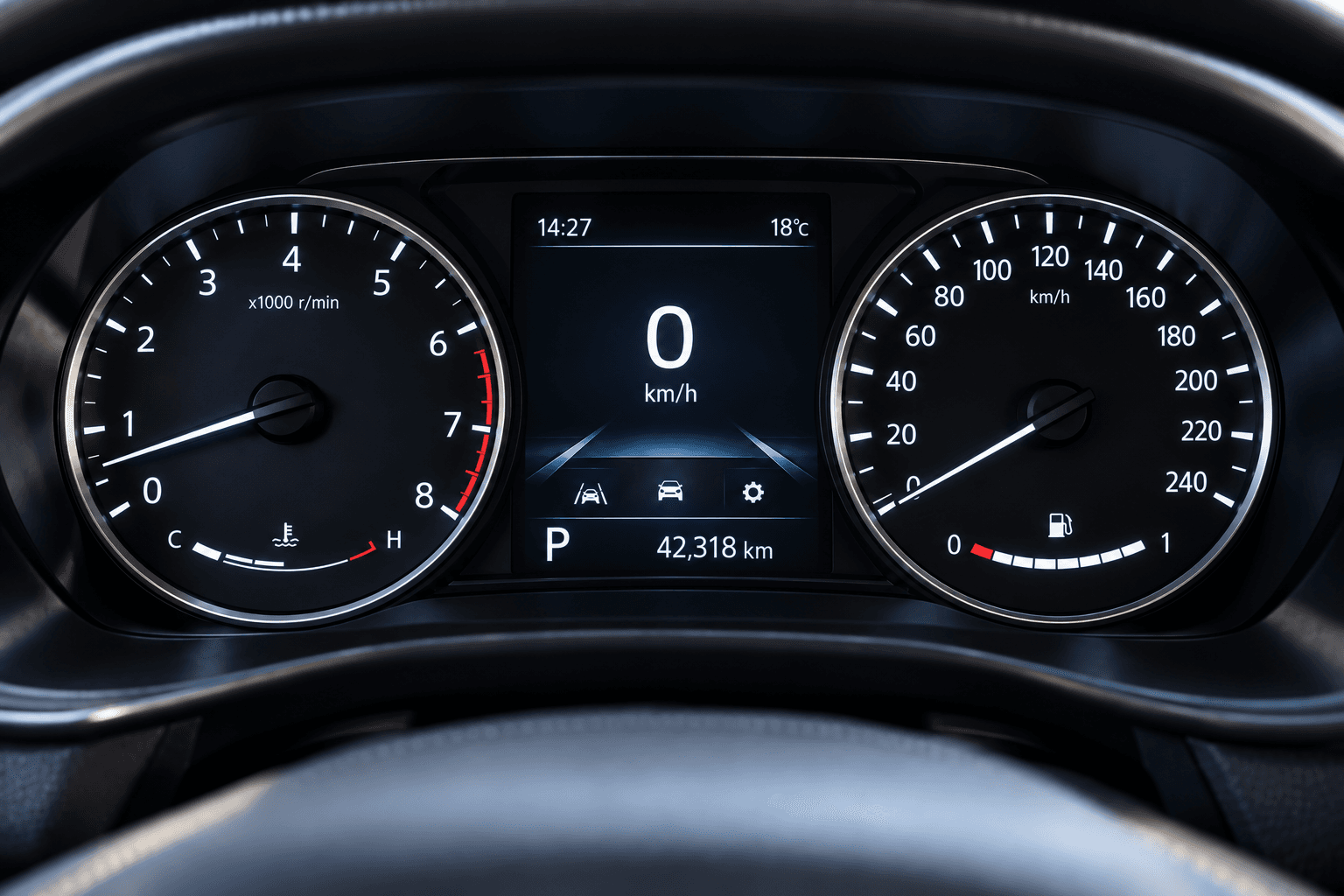
Capture comparable vehicle views, mileage, fuel or charge, documents, equipment, cleanliness and acknowledgement inside one guided departure session.
Image-assisted readings remain suggestions until a person reviews them.
- Condition viewsFront, rear, sides and interior evidence stay labelled against the departure.
- Mileage and energyThe dashboard image supports a reviewed 42,318 km reading and a 100% fuel baseline.
- Handover contextKeys, documents, equipment and cleanliness remain beside the evidence.
- AcknowledgementCustomer and agent acknowledgement complete the operational record without being marketed as a qualified electronic signature.
- 01Readings
- 02Handover
- 03Photos
- 04Rental details
- 05Confirm
Preparing dashboard scan04 · Rent
Know what is currently out and what is expected back next.
The active rental remains visible with its expected return, vehicle context and supported follow-up instead of disappearing after the keys leave the desk.
- Rental in progressThe vehicle, renter and departure baseline remain part of the same active cycle.
- Expected returnThe agreed handback remains visible to the team before it becomes urgent.
- Supported follow-upConfigured reminders can prepare the next contact without promising delivery or receipt.
- 01In use
- 02Return expected
- 03Follow-up ready
IN USE- Departed
- 24 Sep · 09:14
- Expected return
- 27 Sep · 17:30
- Baseline
- Reviewed
05 · Return
Start the return from the departure record, not from memory.
Reopen the same rental, load the validated departure baseline and capture the return in the same evidence structure.
- Departure reference loadedThe return begins with the views, mileage and energy that were validated at check-out.
- The same views are recapturedComparable structure makes later differences easier to review.
- Return readings stay with the evidenceThe reviewed return records 42,604 km and fuel at 80%.
- 01Load baseline
- 02Recapture
- 03Read mileage
- 04Review return
06 · Compare
See what changed — not what someone remembers.
Put departure and return evidence next to each other, calculate the supported reading differences and organise condition findings for review.
- +286 km42,318 km at departure becomes 42,604 km at return.
- 100% → 80% fuelEnergy context remains readable beside the two source images.
- One condition difference preparedA rear-left bodywork scratch is surfaced as a finding to review, not an automatic liability decision.

- Mileage
- 42,318 km
- Fuel
- 100%

- Mileage
- 42,604 km
- Fuel
- 80%
07 · Review
Review the differences before the rental is closed.
Automation can prepare the comparison and suggest a finding. Your team checks the source images, confirms what belongs in the record and keeps responsibility as a separate human and legal decision.

- Source evidence stays inspectableDeparture and return images remain available beside the prepared difference.
- Suggested is not confirmedThe reviewer can confirm, adjust or ignore the proposed condition finding.
- Only the reviewed record moves forwardSharing and history use the result the team actually validated.
- 01Prepared
- 02Review
- 03Confirmed
109 · Ready
Close the cycle without losing what the vehicle needs next.
The reviewed return becomes the starting context for the next departure. Its photos, readings and confirmed findings stay with the vehicle, so the team continues from trusted evidence instead of rebuilding the same baseline.
- The return becomes the next referenceReviewed return photos, mileage and fuel or charge remain available as the vehicle's latest condition context.
- Confirmed findings carry forwardA reviewed damage finding or due task remains visible instead of disappearing when the rental closes.
- Ready restarts the operating loopOnce the supported checks are complete, the vehicle can enter its next departure with an existing baseline to build from.
- 01Rental closed
- 02Evidence retained
- 03Next baseline
- 04Ready to depart
RETURN REVIEW
1Run the complete Rental cycle
Plan it. Hand it over. Compare the return. Keep the result.
Take one real rental through TrakarIA, or bring a representative vehicle to a focused demo and map the cycle your team runs today.
- 01Plan
- 02Baseline
- 03Compare
- 04Ready

